
Queenship is not a single, simple position. There are queen consorts, queen regents, and queen regnants, each with very different powers, responsibilities, and ways of ruling. Many of us may be surprised to discover just how many types of queens exist! Becoming familiar with these terms helps us to understand how each queen in history was able to reign over her kingdom.
We also often find that queens are not simply one type or another for their whole lives. Their position can change with their circumstances. A fascinating example of this is Artemisia II of Caria, an ancient queen of Anatolia, who was all three types over her lifetime!

So, let’s take a closer look at the different types of queens.
A queen consort is a woman who becomes queen through marriage to a king. Her role gives her a high status and influence, but she is not sovereign. The king rules in his own right and that is not shared with his wife.
When Artemisia II became queen she was a queen consort. She ruled alongside her husband, King Mausolus, who was the sovereign. Together, they transformed their capital city of Halicarnassus, filling it with magnificent temples and statues carved from shining marble and decorated with gold.
As consort, Artemisia was a queen who influenced the culture and legacy of the kingdom of Caria. Both she and Mausolus commissioned the Mausoleum of Halicarnassus, which was to be their tomb. When it was completed it was so beautiful that it was later named one of the Seven Wonders of the Ancient World. Meanwhile, she spent her time exploring how plants could be used as medicines to help her people live healthier lives.
A queen regent governs on behalf of the true monarch. This situation often arises when the king dies, and his heir is still only a child. In this case the queen will rule for a number of years on behalf of the new king while he is still underage. Also, when a king is unable to rule for a time, the queen can become his regent and use his kingly rights on his behalf.
A familiar example of regency is from the show Bridgerton. The majestic Queen Charlotte acts as regent for her husband, King George, who is unable to fulfil any of his kingly duties. She does it all, and in great style! (Historically, however, the king’s son, Prince George, became the king’s regent. He was the Prince Regent during this period, which is known as the Regency Era.)
Artemisia II acted as queen regent centuries before King George and the Prince Regent, but for yet another reason. Kings often went away for extended periods of time on military campaigns. Her husband, King Mausolus, did exactly this. While he went out conquering the lands of Lycia to the east of Caria, Artemisia stayed in Halicarnassus and governed the kingdom on his behalf.
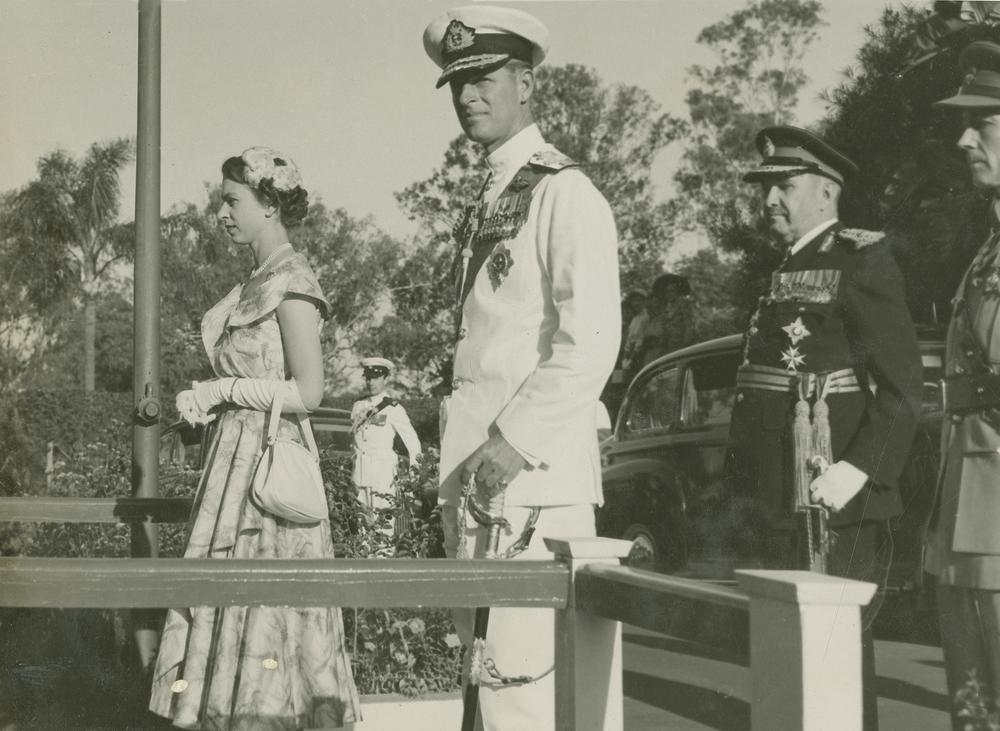
And lastly, a queen regnant is a queen who rules as monarch in her own right because she has inherited the throne with full sovereign authority. This queen doesn’t need a king, and she isn’t ruling on behalf of an heir. The throne belongs to her. Famous examples from England include queens such as Elizabeth I, Queen Victoria, and Elizabeth II.
An interesting fact about a queen regnant is when she marries, her husband does not become king. That would imply he would share her authority, or even supersede her position. Instead, her husband becomes her prince consort. So, the husband of Queen Elizabeth II was a prince consort, and he was known as Prince Philip.
After King Mausolus died Artemisia II became queen regnant. She ruled with all the powers of the monarch until she died three years later. During her rule she found herself needing to defend her kingdom from enemy ships. Because she was a woman who was ruling in her own right, the Island of Rhodes had come to overthrow her! Instead of surrendering, she arranged an ambush for the hostile soldiers to walk right into. This was a great success, and she then led her own soldiers to conquer the Island of Rhodes.

Artemisia II’s life gives us clear examples of these different forms of queenship, showing how a woman could move from consort to regent to regnant and use her skills and creativity to rule confidently in each role. Her story offers a wonderful way for readers of all ages to understand how queens really lived in the ancient world.
For children who love to hear of women who were leaders in history, and for parents and grandparents who enjoy reading along with them, Artemisia II’s story, from the splendour of Halicarnassus to the creation of the Mausoleum and the challenges she faced as a ruler, is brought to life in a way that is easy to follow and full of fascinating details.
To discover more of Artemisia II’s incredible story, achievements, and battles, her story is available to buy as a large, kid-friendly paperback, or ready to purchase as an ebook to begin reading immediately!

Keep Reading!
Did you enjoy this article? Don’t stop now, an incredibly talented guest writer has contributed a great piece about King Henry VII of England (yes, the father of the king with all the wives!) which is well-informed yet light and very enjoyable to read!
 Stories of Queens
Leave a comment